
If you want a quick, deeply savoury fried rice with real Malaysian-style flavour, this Nasi Goreng Kampung is the version I make at home. It’s rustic, aromatic, and full of umami from shrimp paste, with a clean heat from sriracha instead of fresh chillies. Everything cooks in one wok in under 15 minutes — perfect for a weeknight dinner.
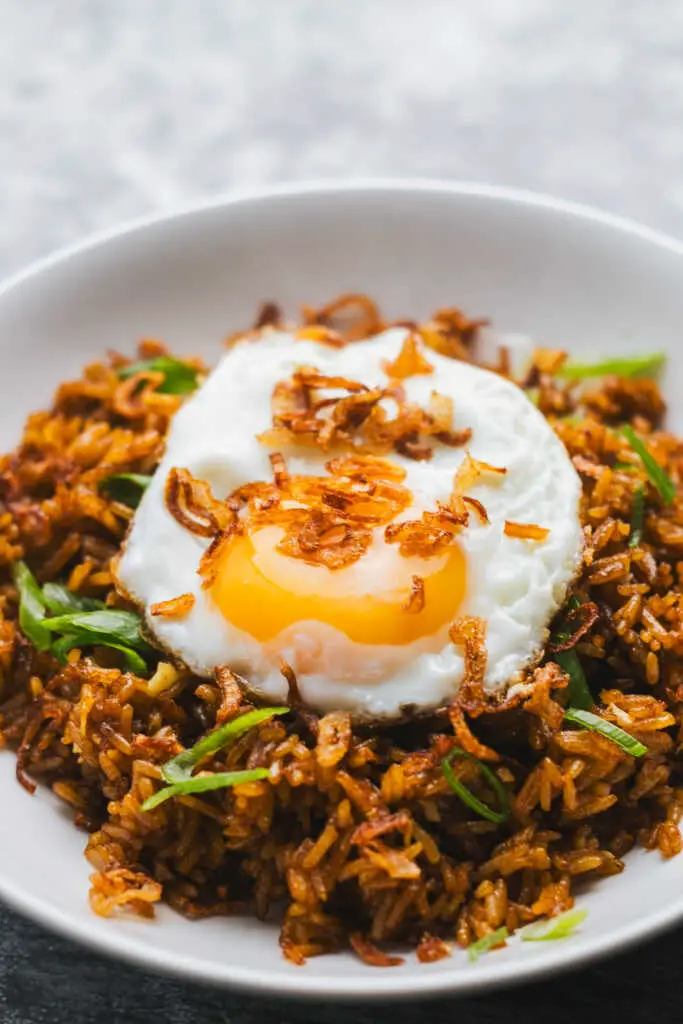
My method is simple and flavour-forward: sauces are added directly to the rice, and the garlic–ginger paste is added at the end for a bright, fresh finish.
Why You’ll Love This Nasi Goreng Kampung Recipe
- Big flavour, minimal ingredients — shrimp paste, sriracha and kecap manis create a bold base without needing sambal or fresh chillies.
- 15-minute dinner — one wok, no chopping vegetables, nothing complicated.
- Balanced savoury–sweet heat — kecap manis rounds out the spice of the dish
- Fresh and aromatic — garlic–ginger paste added at the end keeps the flavour bright.
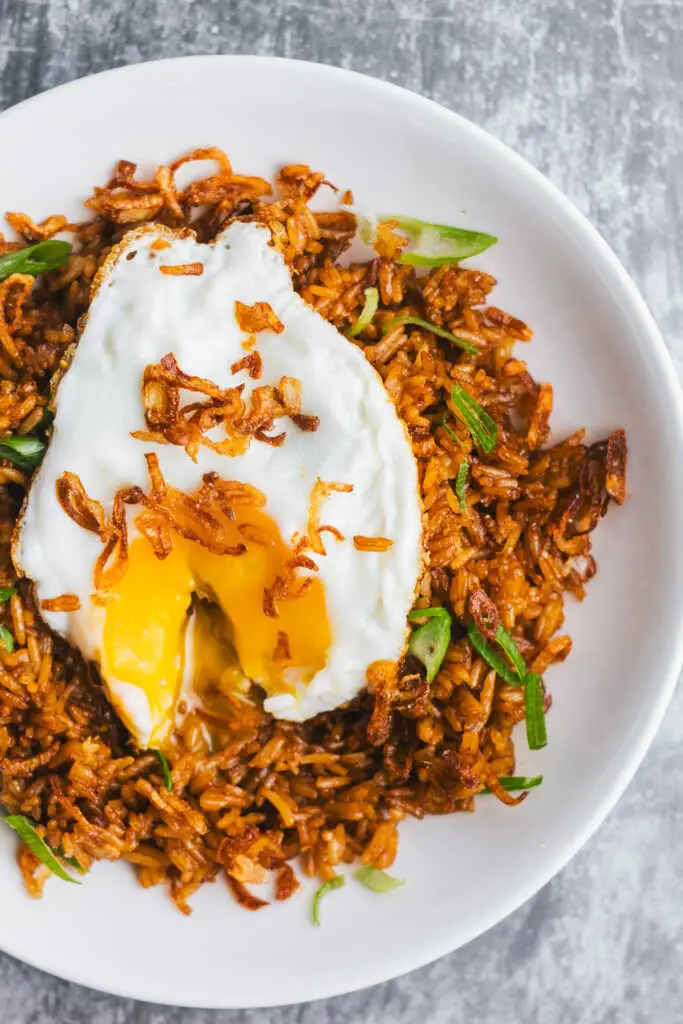
- Crispy shallots + fried egg on top — simple toppings that make this feel restaurant-worthy
- Beginner-friendly — no tricky pastes, no fuss, just big kampung flavour.
If you love spicy, punchy flavours, you’ll also enjoy my chilli scrambled eggs — another fast, big-flavour recipe.
What Is Nasi Goreng Kampung?
Nasi goreng means “fried rice,” and kampung means “village.”
So Nasi Goreng Kampung = village-style fried rice.
Compared to regular nasi goreng, kampung style is typically:
- simpler
- drier
- spicier
- more aromatic
- often made with shrimp paste
- usually topped with a fried egg or crispy shallots
My version keeps the rustic spirit but uses sriracha (instead of fresh chillies) and kecap manis for a balanced modern flavour.
Is Nasi Goreng Kampung Spicy?
Traditionally, yes — kampung fried rice tends to be spicier than classic nasi goreng.
In my version, the heat comes from sriracha, not sambal or bird’s eye chillies.
That means:
- spice level is easy to control
- heat mixes evenly through the rice
- flavour stays clean and bright
Add more sriracha for an extra kick, or reduce it for a milder bowl.
The Flavours That Make This Nasi Goreng Kampung Special
Shrimp paste (belacan/terasi) gives this fried rice its deep, savoury “kampung” flavour. If you’re new to cooking with it, this guide explains what shrimp paste is and why it adds so much umami.
This recipe is built around just a handful of powerful flavours:
- Garlic–ginger paste (added at the end) – Gives freshness and aroma and a clean, bright finish.
- Shrimp paste (belacan/terasi) – Adds deep savoury umami, the backbone of kampung-style fried rice.
- Sriracha – Provides heat and slight acidity without needing fresh chillies.
- Kecap manis (2 tablespoons) – Adds sweetness, colour and gloss while balancing the spice and umami.
- Crispy fried shallots + fried egg – Finish the dish with crunch and richness, simple but essential.
This combination gives you a modern, home-friendly kampung flavour.
Nasi Goreng vs Nasi Goreng Kampung — What’s the Difference?
Classic Nasi Goreng
- Uses soy sauce + kecap manis
- Sweeter and darker
- Mild spice
- Often includes vegetables or protein
Kampung Style
- Rustic and simpler
- Spicier
- Often includes shrimp paste
- No vegetables, minimal add-ins
My Version
- No vegetables or protein
- No soy sauce
- Uses shrimp paste, sriracha and kecap manis
- Garlic–ginger paste added at the end
- Topped with crispy shallots + fried egg
This version captures the village-style boldness with a unique simple method.
About Nasi Goreng Kampung Paste
Many people search for “kampung paste,” but it’s not needed for this recipe.
Most kampung pastes are usually just a blend of:
- chillies
- garlic
- shallots
- shrimp paste
My version uses shrimp paste, sriracha and garlic–ginger paste, creating the same aromatic base — without buying a premade paste.
Ingredient Notes (From My Kitchen)
- Cold cooked rice – day-old rice works the best and allows the grains to stay separate when you cook them
- Sriracha – I love using sriracha to provide the heat to this dish and its easy to adjust to your taste
- Shrimp paste – this stuff is pungent but gives huge flavour and umami, important for that kampung flavour
- Kecap manis (2 tbsp) – this sweet soy adds colour and sweetness to the dish and makes the rice glossy. No extra soy sauce needed when using this
- Garlic–ginger paste – I add this at the end and cook it out gently so the flavour stays bright and fresh through the dish
- Crispy fried shallots – these crispy little fried onions finish off the dish. You can make them or buy them premade
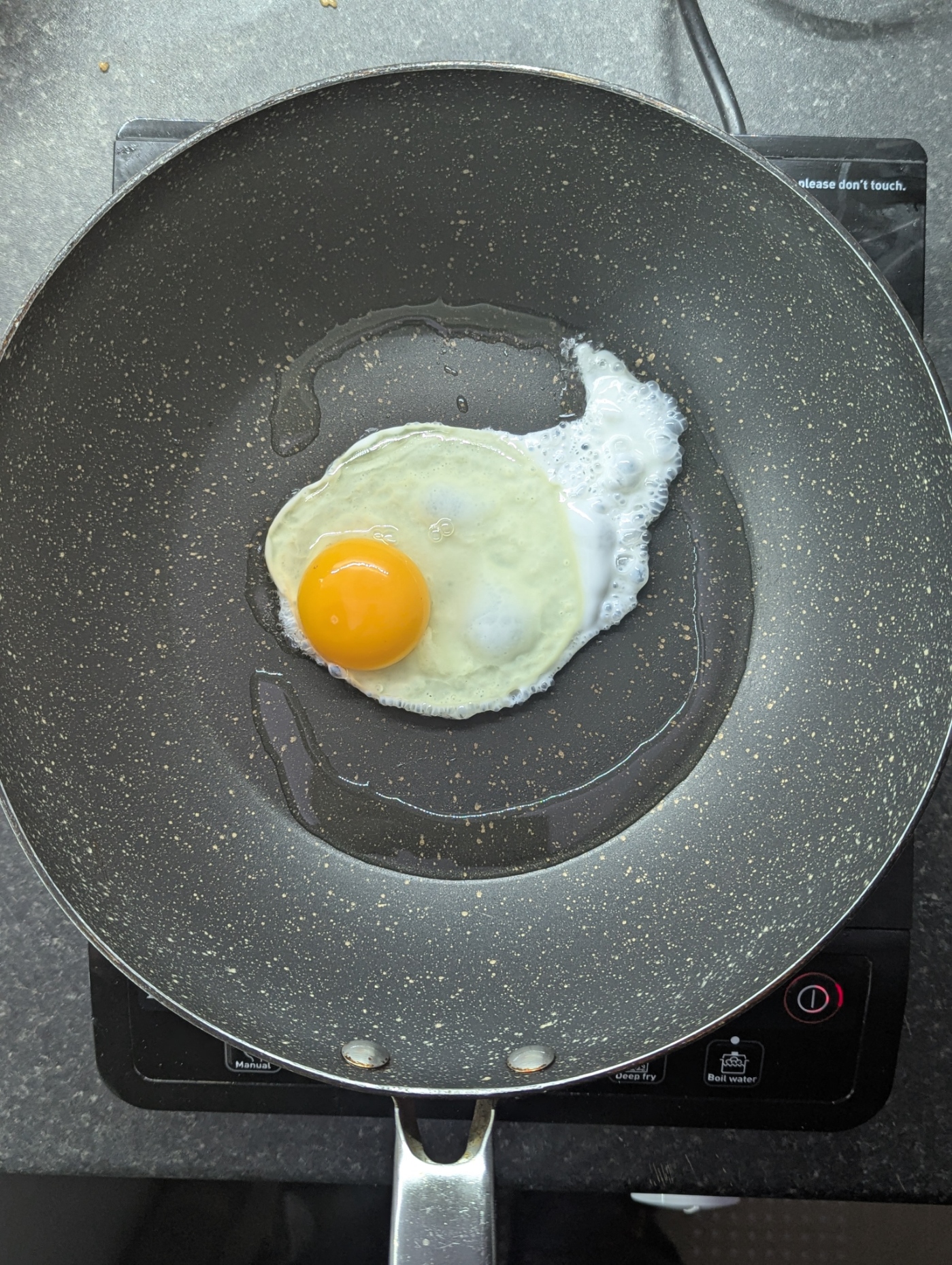
- Fried egg – a fried egg with crispy edges and a runny yolk finishes the dish perfectly — the yolk running through the rice is the best part.
How to Make Nasi Goreng Kampung (Overview)
Total time: 15 minutes
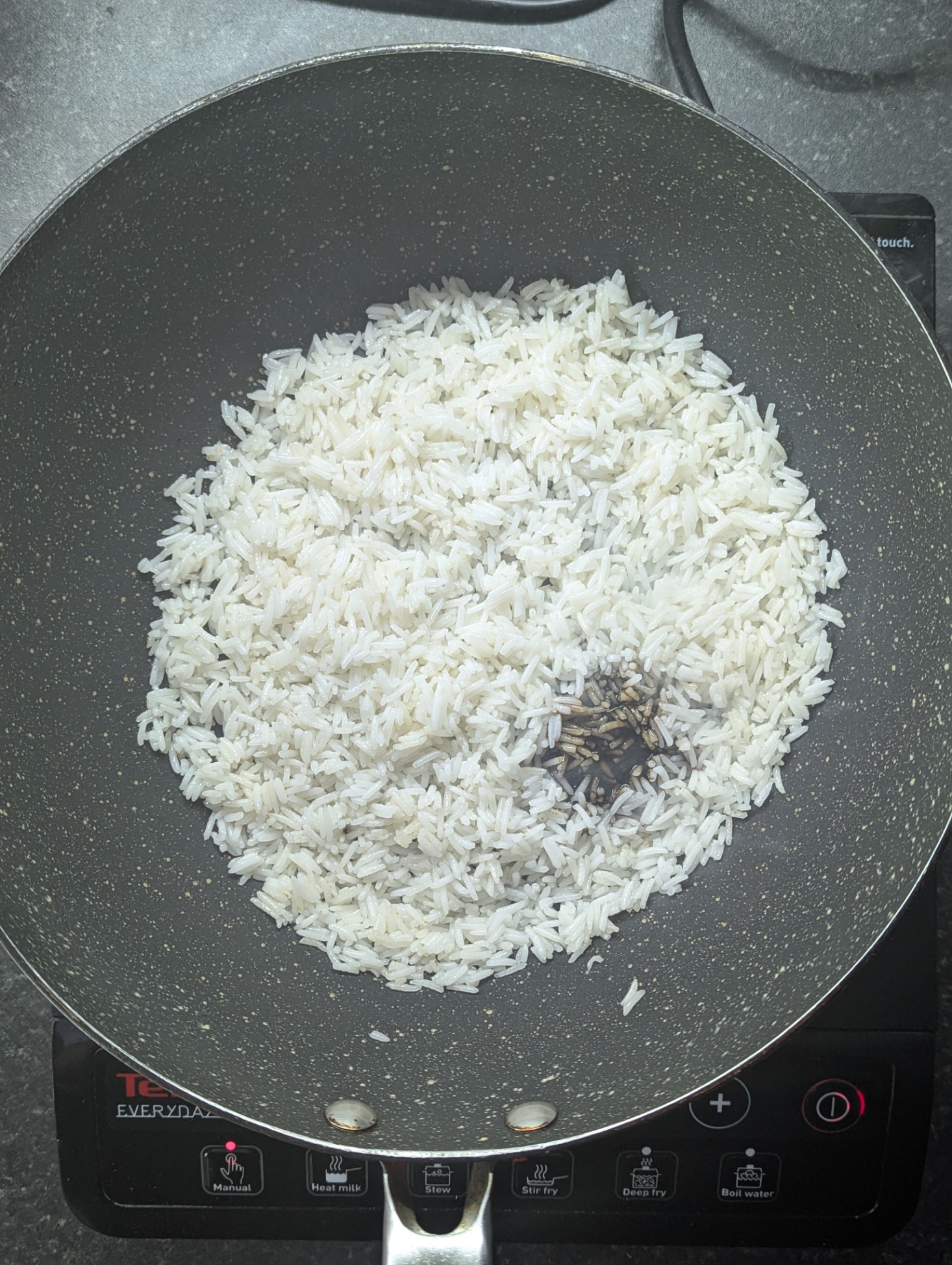
- Heat oil in a wok over high heat until smoking, this helps to slightly caramelise the rice
- Add cold rice and toss to loosen.
- Add kecap manis, sriracha and shrimp paste — coat every grain.
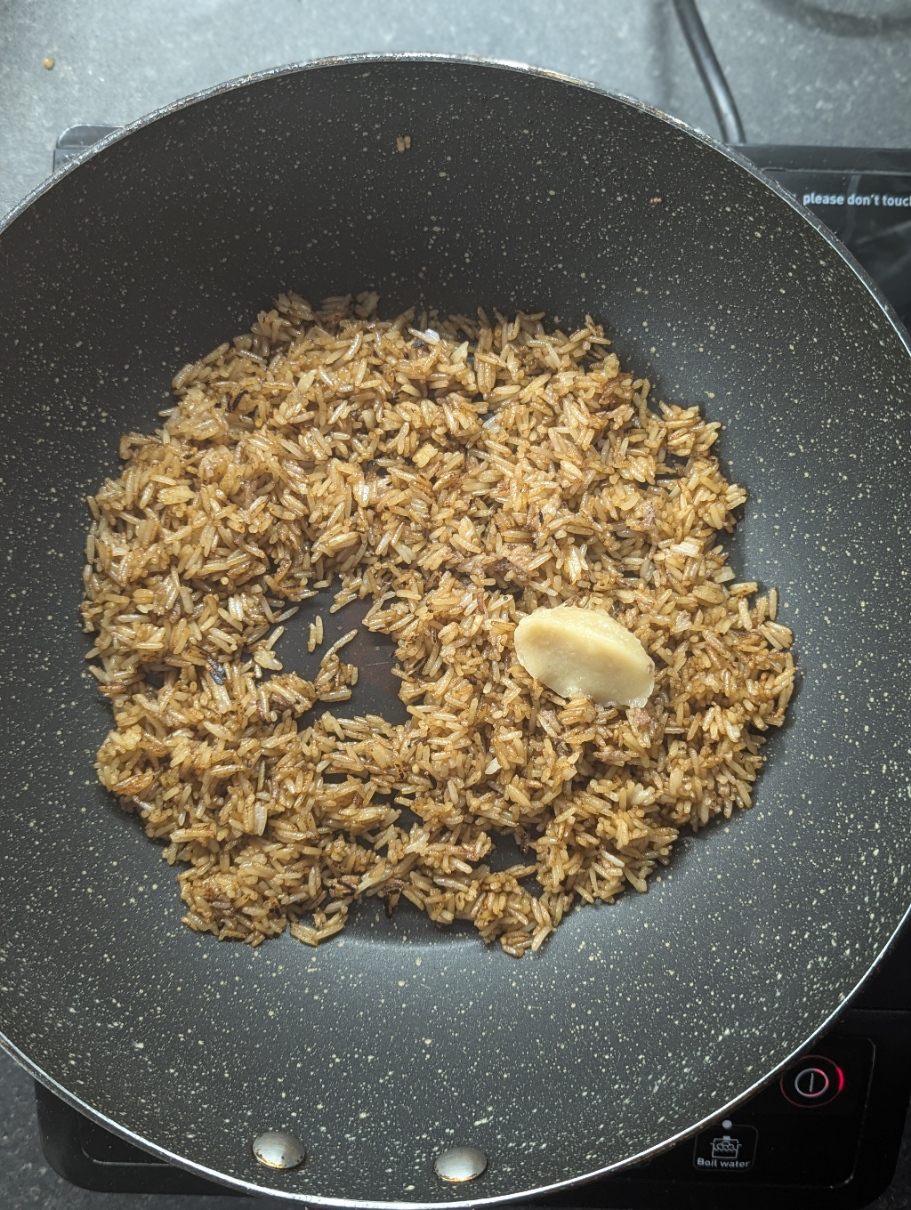
- Add garlic–ginger paste last and cook it out for 1 minute.
- Season, taste and adjust.
- Wipe out the pan and fry the egg over medium heat with a little oil
- Top the rice with the fried egg, crispy shallots and sliced spring onion

Tips From My Kitchen
- Add the garlic–ginger paste last – This keeps the flavour bright and stops it burning. Cook it out for just 1 minute so the raw edge softens without losing aroma.
- Use cold, day-old rice – fresh rice will turn to mush. Cold cooked rice separates well and slightly caramelises, becoming crispy from the high heat of the wok.
- Don’t skip the shrimp paste – its an essential part of the recipe for true kampung flavour. A little goes a long way.
- Add kecap manis directly to the rice – this ensures the rice gets coated and the high heat caramelises the rice
- Taste before adding any extra salt – kecap manis and shrimp paste are already very salty, and season the dish well
- Finish with crispy shallots + fried egg – topping with these two ingredients finishes the dish and turns it into a complete meal
- Use High Heat – the high heat from the wok gives that wok hei flavour and helps to crisp up the rice slightly
What Could Go Wrong (And How to Fix It)
- Rice is mushy – always use cold, day-old cooked rice. Cook the rice fresh and spread on a tray to cool completely before using.
- Flavour tastes flat – try adding extra shrimp paste and work it into the rice. A little extra sriracha and kecap manis will also up the flavour.
- Too sweet – you can omit the brown sugar that I have used, but also add extra sriracha or a pinch more shrimp paste to balance everything out
- Too spicy – you can try adding more rice or kecap manis to balance it out
- Shrimp paste tastes raw – this paste needs to be worked into the rice and cooked out to get rid of the harsh flavour when it is raw. Keep cooking it and tossing it through the rice till the flavour softens
- Garlic–ginger tastes harsh – you didnt cook it out long enough. A minute of working it into the rice should do it.
Variations
- Make it spicier – add more sriracha or even a pinch of chilli flakes to up the heat
- Add protein – add chicken or prawns if you want to. I don’t add protein, as with the egg, I feel it’s a complete meal already
- Add vegetables – I like to add a little spring onion to my finished dish but you could also add shredded cabbage, spinach or pak choi if you like
- Add more umami – A very small splash of fish sauce (optional) can deepen the flavour. Remember, the shrimp paste is umami heavy
If you want another quick and comforting stir-fry style dinner, try my truffle mushroom pasta.
Storage
- Fridge – this will keep in the fridge for up to 3 days, in an airtight container
- Reheat – this dish reheats well in a wok or frying pan with just a splash of oil. You can also microwave it for 1-2 minutes
- Freezer – I don’t recommend freezing as the texture of the rice changes
FAQ’s
It translates to “village-style fried rice” in Indonesian and Malay.
It can be! The spice level depends on how much sriracha you add. Reduce it for a milder version. For another quick, bold noodle dish, try my Gochujang Noodles.
Yes! Substitute with:
A splash of fish sauce
A teaspoon of miso paste
Simply omit it for a vegetarian version.
Fresh rice is too moist and turns mushy. Day-old rice is drier and firmer, perfect for frying!
Cool & refrigerate fresh rice before using.
Spread it on a tray & let it air dry.
Cook on high heat & stir constantly.
I don’t recommend freezing it as this changes the texture of the rice.
Because kecap manis + shrimp paste already gives you the salt, sweetness and colour. Soy sauce isn’t needed.
It’s authentic in flavour — shrimp paste is the heart of kampung fried rice — but the method I use (adding garlic–ginger at the end, sriracha instead of fresh chillies) makes it a modern home-friendly version.
You can, but the dish will lose its kampung depth.
Use half the sriracha and increase the kecap manis slightly.
It gives a fresh lift – if it were added earlier it would burn.

Nasi Goreng Kampung Recipe – Easy, Authentic Village-Style Fried Rice (With Sriracha, Shrimp Paste & Kecap Manis)
Ingredients
- 200 g cold day-old cooked rice
- 1 tsp shrimp paste
- 1 tsp garlic ginger paste
- 2 tsp brown sugar
- 2 tsp sriracha
- 2 tbsp sweet soy (kecap manis)
- 1 tbsp crispy fried shallots
- 2 large eggs (for frying)
- 1 spring onion
Instructions
- Preheat the wok on a high heat, add a little vegetable oil then add the cold cooked day old rice.
- Add the kecap manis and thoroughly toss the rice to mix or stir until all rice is coated and dark in colour
- Add the sriracha, then the brown sugar and continue to fry the rice for a few minutes on a high heat to slightly caramelize the rice and to remove any excess moisture
- Add the shrimp paste and work into the rice using the back of the spoon/ladle to ensure no lumps of shrimp paste are left in the rice
- Add the garlic ginger paste then toss through the rice and cook for a minute
- Plate the rice then gently wipe out the wok before adding a little oil and frying the egg on a medium high heat till crispy around the edges but with a runny yolk
- Place the egg on top of the rice then add some sliced spring onions and crispy fried shallots as a garnish before serving
Notes
- Keep the heat high in the wok to properly caramelize the rice and to get rid of any moisture in the rice to get the right texture
- When using the shrimp paste, work it into the rice by pushing it down with the back of the spoon/ladle. This will help to fully incorporate it into the rice. It is thick in consistency and needs to be worked into the rice well to avoid clumps.
- When making the rice, let it cool on a plate to evaporate any moisture before putting it into a container in the fridge for storage. The idea is to get the rice as dry as possible before frying.
Try Another Recipe
Did You Try This Recipe? Let Me Know!
Leave a Comment: Tell me how your Nasi Goreng turned out in the comments below!
Share on Social Media: Tag me on Instagram at @scoffsandfeasts with your delicious creations!
Loved this recipe? Please leave a star rating—it helps others find this recipe!

Hi, I’m Paul! I’m a passionate home chef, recipe developer, and food lover who believes that cooking should be fun, rewarding, and stress-free! Through Scoffs & Feasts, I share my favorite tried-and-tested recipes, cooking tips, and troubleshooting advice to help home cooks gain confidence in the kitchen. Whether you’re a beginner or an experienced foodie, I hope my recipes inspire you to try something new.